Commercial Waste in Radlett

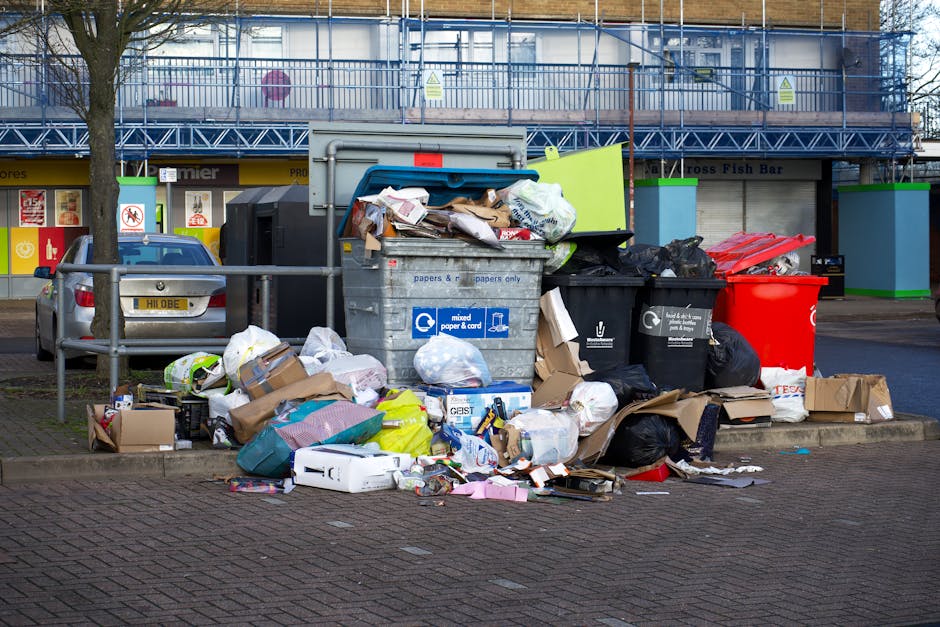
Commercial waste in Radlett needs a practical, dependable approach that keeps daily operations moving while making disposal straightforward. Our service covers regular and one-off business waste removal for premises that need clear collections, sensible sorting and properly handled onward transfer. From mixed office rubbish to shop packaging, light refurbishment debris and other non-hazardous business waste, we help organisations manage the material they no longer need without turning disposal into a distraction from work.
We work with waste streams that are common in offices, retail units, hospitality settings, trades, and managed premises. That can include bagged rubbish, recyclable cardboard, redundant fixtures and fittings, confidential material set aside for secure destruction, and bulky items that are no longer needed. Where a load contains separate material types, clear pre-sorting can make the process more efficient and can also support better recycling outcomes. If you need a sensible way to organise commercial waste removal without unnecessary disruption, start by choosing the service that matches the waste you have.
For a straightforward enquiry, send the details you already have and ask for a quotation. A brief description of the material, the amount involved and the site access is usually enough to begin. If your business has repeat collections in Radlett, it is also helpful to explain how often waste builds up, where it is stored and whether the load is always the same type. Clear information makes it easier to price the work accurately and to suggest the most suitable collection approach.
Business waste removal for day-to-day operations

Business waste removal suits workplaces that need non-domestic rubbish cleared without waiting for a full site tidy-up. Typical loads can include office refuse, empty packaging, old display materials, broken small items and general waste produced by normal trading. The right collection should be matched to the nature of the waste, the volume involved and any handling restrictions that apply on site. Our aim is to keep the process organised, lawful and simple to arrange.
Some businesses need occasional clearance after a busy period, while others want a recurring solution that supports a steady routine. If waste accumulates in shared areas, back rooms or loading points, it can quickly start to interfere with storage and movement. A planned collection helps keep those spaces usable. In many cases, it is useful to separate plain rubbish from items that can be diverted for recycling before the load is removed. Business waste removal is the clearest starting point when your material comes from commercial premises rather than a household.
When preparing a quotation, describe the waste in plain terms rather than trying to classify everything perfectly. A simple breakdown of bags, boxes, furniture, displays or scrap material is enough to identify the likely work. If any item is unusually heavy, awkward to move or needs special handling, note that early. That helps avoid surprises and lets us plan the collection with the right access and disposal method in mind.
Office waste and confidential material

Office waste often combines routine rubbish with material that needs careful handling, such as paper records, files, folders, redundant equipment and packaging from deliveries. The goal is not only to remove clutter, but to do so in a way that supports orderly working spaces. Office clearances are commonly built around desks, storage rooms, archive areas, meeting rooms and shared kitchens, each of which can generate different types of waste.
Where confidential documents need disposal, they should be separated from general paper and handled through a controlled process. Not every office item belongs in the same load, and the correct approach depends on whether you are clearing mixed office rubbish, paper-only waste or items intended for secure shredding. For that reason, it helps to state the purpose of the clearance at the outset. Office clearance is a useful option when the job goes beyond ordinary bin waste and includes furniture or equipment as well.
Good office planning is usually about access and sequence. Tell us which rooms need attention first, whether there are lifts or stairs involved, and whether any items must remain in place while others are taken away. If the clearance must be arranged outside normal hours, mention that in the enquiry so the scope can be discussed properly. Even modest office jobs benefit from clear instructions, especially where multiple people work in the same space.
Furniture and bulky item disposal
Furniture disposal is often needed when workplaces replace desks, chairs, shelving, reception furniture or storage units. These items are frequently too large for ordinary waste channels and need to be lifted, carried and loaded carefully. Material type also matters: wood, metal, fabric and composite pieces may all need slightly different treatment once collected. Our approach is to remove usable and non-usable items in a practical way, with recycling considered wherever possible.
Some sites generate bulky items as part of a wider clearance; others only need a few pieces taken away after an office layout change or refit. Either way, it is useful to know whether furniture is intact, dismantled, broken or still assembled. That affects handling time and can affect pricing. If the items are located on upper floors, in a storeroom or behind fixed equipment, describe the path to the load so the collection can be planned sensibly. Furniture disposal is the right page to explore when the main issue is no longer-needed office or business furniture.
Not every item is suitable for the same route to disposal. For example, upholstered furniture, metal frames and mixed-material desks may need different processing once removed from site. If you also have packaging, loose rubbish or small fittings, it is often sensible to list those separately rather than leaving them to be guessed. A well-described load usually leads to a smoother collection and a more accurate quotation.
Recycling, sustainability and disposal choices

Responsible commercial waste work does not stop when items are collected. The value of a proper clearance also lies in how different materials are separated, sorted and directed afterwards. Cardboard, metal, clean plastic, reusable fixtures and mixed general waste may each follow different routes. A sensible disposal plan should support recycling where practical, while recognising that not every item can be recovered or reused. Recycling and sustainability explains the broader approach to material handling and recovery.
For businesses, this matters because mixed loads are common. A storage room might hold packaging, broken displays, redundant office items and a small number of repairable pieces all at once. Instead of treating that as a single undifferentiated pile, it is better to think about what can be separated, what must be removed as general waste and what may need specialist treatment. That approach can make the clearance more orderly and can reduce avoidable waste of reusable material.
When you request a quotation, it helps to mention whether the load is mostly recyclable, mostly general waste or a combination of both. If you already separate cardboard or scrap metal on site, tell us that too. Simple sorting information gives a better basis for planning and may improve how efficiently the work is carried out. The more the load is understood in advance, the easier it is to match disposal to the material itself.
About Radlett

Radlett is a village and civil parish in Hertfordshire, lying within the Borough of Hertsmere and close to the boundary with the London commuter belt. Its development was shaped by its position on transport routes between London and the wider county, and later by the coming of the railway, which strengthened its role as a residential settlement with links to the capital. The village centre includes a range of local shops, services and civic uses, while surrounding streets and lanes still reflect older layers of settlement, with detached houses, later suburban development and pockets of open land contributing to a varied built environment. Radlett has a long-standing reputation as an affluent and well-connected place, but it also retains a distinct village character in its street layout and community life. Nearby landmarks include the Radlett Centre, a local arts and performance venue, and the area around Aldenham, which has strong historic associations with the wider parish. Green spaces and recreational routes also play a part in the local character, with countryside on the edge of the settlement and access towards the wider Hertfordshire landscape. The combination of village identity, commuter convenience and a settled residential pattern has helped Radlett keep a clear local identity despite its proximity to larger towns and London.
Loft, garage and storage clearances
Some commercial waste jobs are best understood as space clearances rather than routine bin emptying. Loft, garage and storage areas often hold accumulated material from office moves, archiving, refits or long periods of storage. These spaces can contain old stock, redundant display material, broken equipment, packaging, spare fittings or mixed items that no longer have a use. A focused clearance brings order back to the area and removes the practical problem of sorting through forgotten material later.
Because these areas are often awkward to access, it is sensible to think in terms of lifting routes and handling rather than only item count. Low ceilings, narrow stairways, confined corners and items stored behind other goods can all affect the work required. If the load includes both lightweight and heavy objects, mention that in your enquiry so the collection can be planned appropriately. Garage clearance is a useful reference when your commercial premises have accumulated mixed stored items rather than a simple waste pile.
For some businesses, the main decision is whether to clear everything at once or to stage the work. Staged removal can be useful where access is limited or where only part of the storage area is ready to be emptied. If you prefer that approach, say which parts of the space are to stay untouched. That gives a clearer basis for quotation and prevents unnecessary lifting of items you still need.
House and flat clearances for mixed domestic and work-related loads
Although this page centres on commercial waste, some customers also need clearances that involve property contents rather than standard business rubbish. House and flat clearances can include furniture, mixed household items, small appliances and general clutter, often after a move, a property handover or a change in use. Where a landlord, agent, executor or business owner needs the contents removed, the work must be handled with care and a clear understanding of what is included.
These clearances are different from everyday business waste because the load is often more varied. Some items may be reusable, some recyclable and some simply ready for disposal. Access also matters more in flats, where stairs, lifts, shared hallways or parking restrictions can affect how the work is carried out. If the property includes a mixture of domestic and work-related objects, it is helpful to describe the likely balance so the right service can be suggested. Flat clearance can suit smaller, more access-sensitive jobs where contents need to be removed in an orderly way.
If your enquiry involves a property rather than a workplace, note whether you need everything gone or only selected categories of items removed. That distinction matters because the quotation and the collection plan depend on the scope. It also helps to know if anything is staying behind so it is not treated as waste by mistake. A short, accurate description is usually better than a long list with uncertain detail.
What helps a quotation go smoothly
A well-prepared quotation starts with the basics: what the waste is, where it is located and how much of it there is. Photographs can help if they are available, but they are not the only way to explain a job. A concise list of items, a rough estimate of volume and a note about access usually gives enough context to discuss the work. If the job involves several separate areas, mention them in the order they will be cleared.
It is also helpful to identify anything that changes the handling of the load. Fragile items, heavy fixtures, confidential papers, sharp edges and awkward access all affect how the work is planned. If the collection must fit around trading hours, deliveries or building rules, include that information too. Pricing and quotes is the place to visit if you want to understand how the estimate is structured before you send full details.
When you are ready, a simple enquiry is enough: describe the waste, choose the most relevant service and ask for a quotation. If you manage several sites, mention whether this is a one-off job or part of a repeat pattern so the scope can be matched correctly. Give the practical facts first, then add any extra notes that help with access, timing or item type. That keeps the conversation focused and makes the response easier to use.
Broader waste removal services for commercial premises
Commercial premises often generate several waste types at once, which is why a flexible removal service can be useful. Offices, shops, workshops and storage spaces may produce furniture, packaging, fixtures, general rubbish, appliances or material left over from refurbishment. Rather than sending each stream separately in theory, the aim is to decide what can be removed together and what needs a distinct handling method. That makes the job more practical for the customer and easier to organise on site.
Our wider waste removal work supports customers who need a clear way to dispose of non-hazardous material without turning the job into a management exercise. Depending on the contents, a collection may focus on general rubbish, furniture, bulky items, or mixed loads that combine several categories. Where the waste includes old appliances, separate disposal rules may apply, so it is sensible to identify them early. Waste removal is a useful option when the load is mixed and you need a single collection arranged around the material in front of you.
For business owners, the main value is clarity. If you know roughly what must go, how urgent it is and how the site is laid out, the rest can be discussed without fuss. That is usually the best route to a practical quotation and a collection that suits the premises rather than disrupting them. Contact us to request a quotation and outline the work you need in Radlett.